Early 20th Century
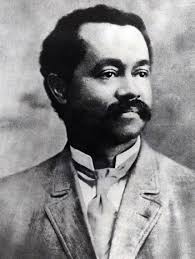
Charles Henry Turner, Ph.D.
1867 – 1923
Ph.D. Zoology, 1907 University of Chicago
Charles Henry Taylor, Professor and Chair of the Department of Science and Agriculture at Clark College in Atlanta, Georgia was a prolific author (over 70 publications) whose work crossed multiple disciplines. He is most well-known for research which established that honey bees see in color and recognize patterns. He was a life long civil rights advocate who made the argument that racism could be conquered through education and published articles on this in 1897 and 1902.
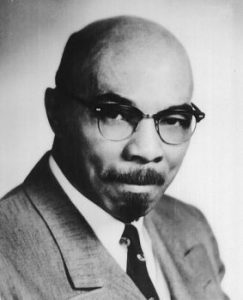
Gilbert Haven Jones, Ph.D.
1881 – 1966
Ph.D. Philosophy 1907 University of Jena, Germany
Gilbert Haven Jones, served as professor of Philosophy and Psychology, Dean of the College of Liberal Arts (1914-1924), President (1924-1932) of Wilberforce University. He was the first African American with a Ph.D. to teach Psychology in the United States. He wrote extensively about Education, Pedagogical practices and the value of Philosophy within the disciplines of Education, Psychology and Religion.
Howard Hale Long, Ph.D.
1888 – 1948
Ph.D. Education Psychology, 1933 Harvard University
Dr. Long served as Dean of Pain College and Dean of the School of Education at Knoxville College before becoming Superintendent of Public Schools in Washington, DC. He spent 20 years leading education research for D.C. Public Schools. He is known for his publications on educational psychology.
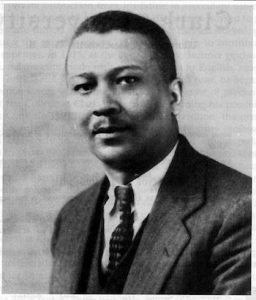
Francis Cecil Sumner, Ph.D.
1895 – 1954
Ph.D. Psychology, 1920 Clark University
Francis C. Sumner was the first African American to earn a Ph.D. in Psychology. He is one of the founders of the Psychology Department at Howard University where he served as Chair from 1928 until his death in 1954. He studied racial bias and was a supporter of educational justice and published articles on these topics but was refused funding because of his race.
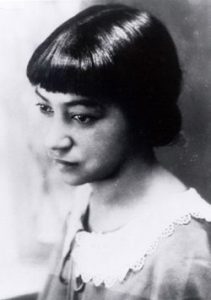
Inez Beverly Prosser, Ph. D.
1897 – 1934
Ph.D. Psychology, 1933 University of Cincinnati
Inez Beverly Prosser’s research examined self-esteem and personality variables in African American school children. She found that black children in learning situations with black peers and black teachers were better adjusted, had higher self-esteem and closer relationships with their families than their peers who attended integrated schools.
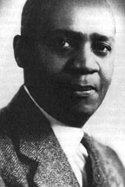
Albert Sidney Beckham, Ph.D.
1897 – 1964
Ph.D. Educational Psychology, 1930 New York University School of Education
Albert Sidney Beckham was the first Psychology professor at Howard University. He is known for establishing a research lab to study the differences in intelligence in children of different ethnicities. Much of his professional work was focused on challenging suggestions that African Americans were inherently less capable than their white peers. Dr. Beckham and his wife, Dr. Ruth Winifred Howard, directed the Center for Psychological Services from 1940 to 1964.
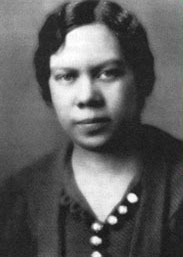
Ruth Winifred Howard, Ph. D.
1900 – 1997
Ph.D. Psychology & Child Development, 1934 University of Wisconsin
Ruth Winifred Howard was the first African American woman to earn a Ph.D. in Psychology. Her dissertation research was the most comprehensive study of triplets of the time. She established and ran the Center for Psychological Services in Chicago with her husband, Albert Sidney Beckham, while pursuing postdoctoral studies at the University of Chicago. She is known for her published study of play interviews with kindergarteners and fourth graders and for her many contributions as a tireless advocate for mental healthcare.
Mid-20th Century
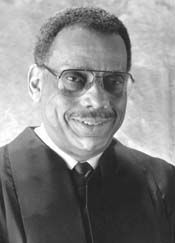
Herman George Canady, Ph.D.
1901 – 1970
Ph.D. Psychology, 1941 Northwestern University
Dr. Herman George Canady is most recognized for his master’s thesis on racial biases that test proctors may cultivate during IQ testing, and further continued his research in education and by providing suggestions for ideal testing. He was the second African-American psychology department chair of what is now known as West Virginia State College. Dr. Canady worked in the American Teachers Association, developed after the National Education Association prohibited African-Americans from pursuing membership.
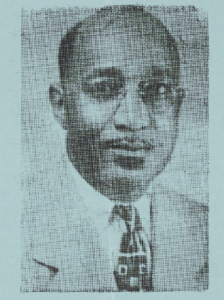
John Henry Alston, MA
Unknown – 1981
M.A. Psychology, 1920 Clark University
Henry Alston was the first African-American psychologist to have his research published in an exclusively Psychological journal, the American Journal of Psychology. His article, “Fusion of Cold and Warmth into Heat” was published in 1920. Alston served as Dean at Alabama A&M college and Johnson C. Smith University. He was also a Reverend Minister and Pastor of Jubilee Temple, C.M.E. Church in Fort Worth, Texas. He was an active member of his community and lifelong education advocate.
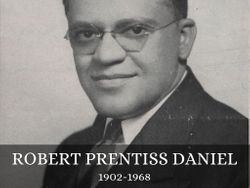
Robert Prentiss Daniel, Ph.D.
1902 – 1968
Ph.D. Educational Psychology, 1932 Columbia University
Dr. Robert Prentiss Daniel is best known for his contributions to educational and Black psychology. His most notable work included the psychological study of African-American male children, in which he created measures to understand perceived differences in personality traits and characteristics of problem behavior. During this time, he was also elected the President of Shaw University in North Carolina. He was active in advocating for the betterment of Black Schools.
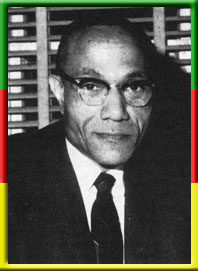
Frederick Payne Watts, Ph.D.
1904 – 2007
Ph.D. Clinical Psychology, 1941 University of Pennsylvania
Dr. Frederick Payne Watts earned his PhD while teaching at Howard University. He conducted independent research studying young African-American children and published “A Comparative and clincal Study of Delinquent and Non-Delinquent Negro Boys” Dr. Watts developed psychological testing facilities and counseling services for Army personnel. He later served as clinical psychologist for Philadelphia’s VA regional office. At Howard University he established the University Counseling Service. He conducted notable studies through the counseling services, such as “A Study of the College Environment, Developmental Counseling,” And many more.
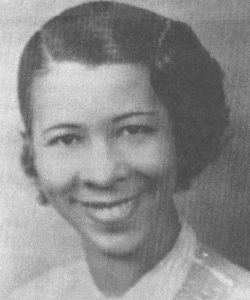
Alberta Banner Turner Ph.D.
1909 – 2008
Ph.D. Psychology, 1935 Ohio State University
Dr. Alberta Banner Turner’s research was focused on psychopathology and juvenile delinquency. She devoted 27 years with the Ohio Bureau of Juvenile Affairs/Ohio Youth commission to researching and developing treatments for youthful offenders. Dr. Turner taught at Ohio State University and worked with adolescents at the Marysville Reformatory for Women during the same period. She is as well known for her lifelong activism and advocacy for equal rights as she is for her scholarship.
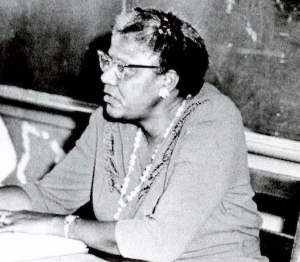
Keturah Elisabeth Whitehurst, Ph.D.
1912 – 2000
Ph.D. Development and Experimental Psychology, 1952 Harvard University
Prior to receiving her PhD from what is now known as Harvard University in 1952, Dr. Keturah Elisabeth Whitehurst worked as the head of the English Department at Albany State College in Georgia. She was the first African-American woman to intern at Harvard’s Psychological Clinic. She then joined Virginia State College’s faculty. Dr. Whitehurst took a position at the University of Nashville, where she taught psychology and established the Fisk Children’s School. She also published research on cultural factors that influence the development of African-American children.
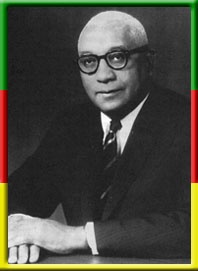
James Arthur Bayton. Ph.D.
1912 – 1990
Ph.D. Psychology, 1943 University of Pennsylvania
Dr. James Arthur Bayton balanced his doctoral studies while working as an associate professor at Virginia State College. He published research on the self-concept of African-Americans. After earning his PhD he worked as a social service analyst for the Department of Agriculture. He studied the African-American self-concept, consumer psychology, marketing, and agriculture while teaching at Southern University, and Howard University. He later served as chair of the Psychology department at Howard University and developed over 70 products, conducted survey and marketing research and made notable contributions to consumer psychology.
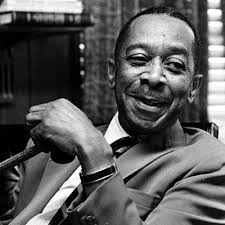
Kenneth Bancroft Clark. Ph.D.
1915 – 2005
Ph.D. Educational Psychology, 1940 Columbia University
Dr. Kenneth Bancroft Clark was the first African American to earn a PhD at Columbia University, earn a tenured professorship at the City College of New York, join the NY State Board of Regents and serve as president of the American Psychological Association. His books include “Prejudice and your Child,” “Dark Ghetto,” “A Possible Reality,”. Kenneth B. Clark and his wife, Mamie Phipps Clark conducted experiments on racial biases in education. Their findings were cited in the Supreme Court decision on Brown v. Board of Education of Topeka, Kansas ruling public school segregation unconstitutional.
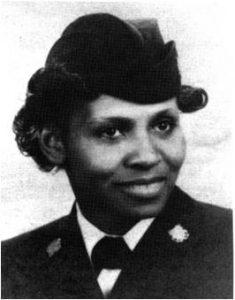
Olivia Juliette Hooker, Ph.D.
1915 – 2018
Ph.D. Psychology, 1961 University of Rochester
Dr. Olivia Hooker was the survivor of the Tulsa Race Massacre. She was the first African-American to serve in active duty in the United States Coast Guard and was a distinguished professor of psychology at Fordham University. Dr. Hooker helped found the American Psychological Association’s Division 33 which is focused on the needs of people with developmental and intellectual disabilities.
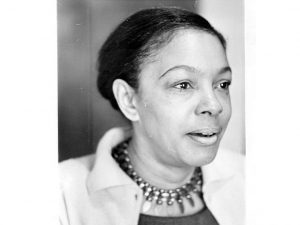
Mamie Phipps Clark, Ph.D.
1917 – 1983
Ph.D. Psychology, 1943 Columbia University
Dr. Mamie Phipps Clark founded the Northside Center for Child Development along with her husband, Kenneth B. Clark. Her research was focused on the formation of self-concept, self-esteem and the damaging effects of segregation on both among African-American children. She is best known for the research she conducted with black and white dolls and black children, often referred to as the Clark doll experiment. The experiment demonstrated that black school children were internalizing racial stereotypes. Her research findings were cited in the Supreme Court decision on Brown v. Board of Education, Topeka, Kansas.
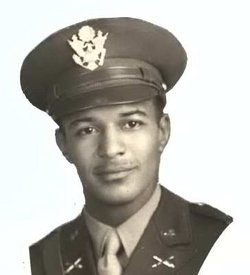
Joseph Cyrus Awkard, Ph.D.
1920 – 2006
Ed.D Psychology, 1964, University of Virginia
Dr Joseph Cyrus Awkard was a decorated WWII veteran, author and a professor of Psychology at the University of North Carolina at Wilmington and Florida A&M University. He served as advisor to the American Psychological Association Committee on Equal Opportunity in Psychology, the Congressional Task Force on Education of Exceptional Children and to the US Congressional Black Caucus. He also served as president of the National Association of Black Psychologists.
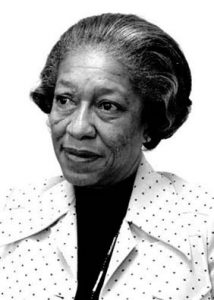
Carolyn Robertson Payton, Ph.D.
1925 – 2001
Ed.D. Counseling & Student Administration, 1962 Columbia University
Dr. Carolyn Robertson Payton, Ph.D. was the first African-American and the first woman director of the United States Peace Corps. Her master’s research concluded that the new Wechsler test provided an inaccurate measure of the ability of Blacks. Earlier in her career she worked as an Associate Professor at Virginia State College and Howard University and the Dean of Women at Elizabeth City State University. She was very active in the American Psychological Association and served on the Scientific and Professional Ethics and Conduct, Task Force on Sex Bias and Sex Role Stereotyping committees, the Committee on Lesbian and Gay Concerns and The Committee on Women in Psychology.
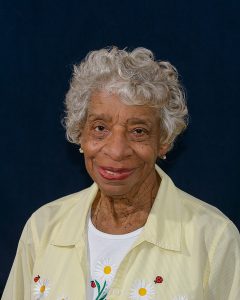
Henrietta T. Smith, Ph.D.
1925 – 2002
Ph.D. Psychology, 1953 Radcliffe University
Dr. Henrietta T. Smith was the first black woman and the first black tenure-track faculty member to teach as an instructor at Vassar College in 1954. In 1968 she earned her appointment as full professor in the Psychology department and in 1973 was named the Margaret Stiles Helleck Chair of Social Sciences. Earlier in her career she worked as a research assistant at Harvard University’s Graduate School of Education studying the education of disadvantaged children and the perception of sex role behaviors and values in young children.

Robert Lee Williams, Ph.D.
1930 – 2020
Ph.D. Clinical Psychology, 1961 Washington University in St. Louis
Dr. Robert Lee Williams is best known for his contributions to Black Psychology, such as the Black Intelligence Test of Cultural Homogeneity, Black Personality Theory, and Ebonics and his criticism of racial and cultural biases in IQ testing. His research focused on racial and cultural biases towards African-Americans, particularly regarding language and speech common within the African-American community. He published several books and more than sixty professional articles. In 1968 Dr. Williams co-founded and became the second president of the National Association of Black Psychologists. He was the creator of the 10 Point Plan, instrumental in recruiting Black graduate students.
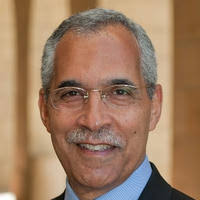
Robert V. Guthrie, Ph.D.
1932 – 2005
Ph.D. Psychology, 1970 United States International University
Dr. Robert V. Guthrie is best known for Even the Rat Was White: A Historical View of Psychology, which exposed the history of racism in Psychology and documented the valuable contributions of Black psychologists. When Robert Guthrie returned to academic life after serving in the desecrated military he was struck by the lack of welcome, and support he encountered. In 1968 he and his colleagues founded the Association of Black Psychologists. In 2001, he became the first African-American to have his papers included in the National Archives of Psychology in Akron, Ohio. It is thanks to his profiles of Black psychologists that the work of these pioneers has been remembered.
Reginald L. Jones, Ph.D.
1931 – 2005
Ph.D. Psychology, 1959 Ohio State University
Dr. Reginald L. Jones is well known for his contributions to Black psychology. He was the author of 200 papers, articles and reviews. He also published 22 books, such as Black Adult Development and Aging, African American Mental Health, and Mainstreaming and Minority Child. Prior to receiving his Ph.D., he was drafted into the US Army where he worked as a clinical psychologist. He also served on President Richard Nixon’s Task Force on Mental Health and President-elect Bill Clinton’s Council of Advisors to the Education Transition Team. Dr. Jones had an active academic career, working at Miami University, Fisk University, Indiana University, UCLA, Ohio State and UC Riverside.
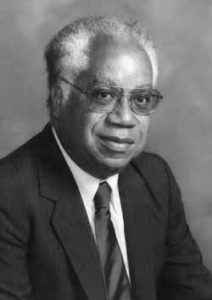
Joseph L. White, Ph.D.
1932 – 2017
Ph.D. Clinical Psychology, 1961
The first African American to receive his Ph.D. in clinical psychology from Michigan State University, Dr. Joseph L. White dedicated most of his career advocating for students of color. He helped establish the statewide Educational Opportunities Program in California and established the first Black Studies department at San Francisco State University in 1968. He is also most known for his article, “Toward a Black Psychology” , which has been cited as inspiration and foundation for the field f Black psychology and the African American psychologist.
Late 20th Century
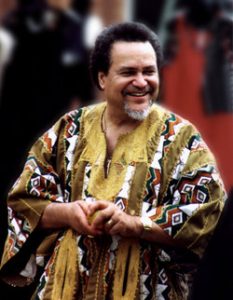
Asa Grant Hilliard, Ed.D.
1933 – 2007
Ed.D. Educational Psychology, 1963 University of Denver
Dr. Asa G. Hilliard III, joined the faculty at San Francisco State University in 1963 and became the first department chairman and dean of education. His research interests included the development and children as well as African history and he was a passionate Pan-Africanist. He developed curriculums that included African history and lead study groups to Egypt and Ghana. He was given the name Nana Baffour Amankwatia II (generous one) in 2001. He was one of the founders and the vice president of the Association for the Study of Classical African Civilizations and the National Black Child Development Institute. Dr. Hilliard also served as a consultant for the PEACE corps.
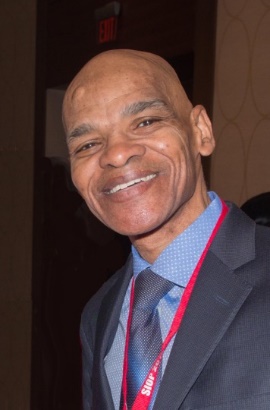
James L. Outtz, Ph.D.
1947 – 2016
Ph.D., University of Maryland (1976)
Dr. Outtz graduated from Little Flower Academy in Monroe, LA, and the University of Louisiana at Monroe, earning both his undergraduate and master’s degrees. After serving as a first lieutenant in the United States Army, he went on to earn his PhD from the University of Maryland at College Park in Industrial and Organizational Psychology in 1976. For more than 40 years, Dr. Outtz was a leading researcher, practitioner, and consultant in the area of employment hiring and promotion, employment discrimination, employment-test design and implementation, and legal issues pertaining to employment. The organization that he founded, Outtz and Associates, developed employment-selection systems focusing on helping employers identify best applicants and also enhancing opportunities for workforce diversity through greater inclusion of minorities and women. Professionally, he focused his career, conducted research, and wrote about minimizing adverse impact through alternative approaches and strategies to selection and promotion. His work has significantly influenced best practices in reducing unnecessary obstacles to equal employment opportunity. His expertise in selection-system design and employment discrimination issues made him a highly sought-after legal-compliance consultant and testifying expert. He represented plaintiffs as well as defendants in cases that involved some of the most prominent corporations in America and some of the most visible public-sector jurisdictions. He was often retained to work on consent decrees with experts and lawyers from all sides of an issue, as well as to advise courts. During his last 4 years he enjoyed major achievements, including being elected president of the Society for Industrial Organizational Psychology (SIOP), where he also established the annual James L. Outtz Grant for Student Research on Diversity. This grant is awarded to a graduate student who has successfully defended, but not yet conducted, a diversity-related research proposal. Dr. Outtz was scheduled to become SIOP’s president in April 2016 at the annual conference in Anaheim.
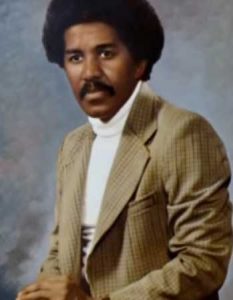
Bobby E. Wright, Ph.D.
1934 – 1982
Ph.D. Clinical Psychology, 1972 University of Chicago
Dr. Bobby E. Wright is most known for his contributions to Black psychology, movements, organizations and policies. Prior to receiving his Ph.D. from the University of Chicago in 1972, he worked for the Chicago Public School system as a teacher under the Full Time Basil Substitute (FTBS), which prevented him from pursuing teaching full time. He further established the Black Teachers Caucus to challenge the FTBS. He then became the executive director of the Garfield Park Comprehensive Mental Health Center in Chicago, which was the largest Black mental health facility in the U.S. He continued to challenge the racist foundation of psychology and the country and developed the Wright Social-Political Model.
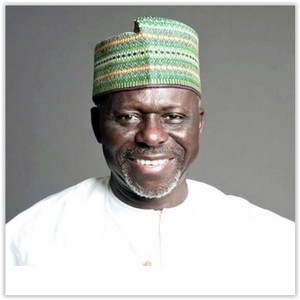
John U. Ogbu, Ph.D.
1939 – 2003
Ph.D. Anthropology, 1971 University of California, Berkeley
Dr. John U. Ogbu transferred from Princeton’s Theological Seminary to study anthropology at UC Berkeley. His research interests included the impact of culture on education, as well as dissecting the differences between cultures. He published Minority Education and Caste in 1978, which examines the differences between cultures and its impact on one’s identity. The 1986 study of African-American high school students he conducted with Signithia Fordham found that the fear of being accused of “acting white” was keeping black students from reaching their academic potential. Their findings were summarized in Black American Students in an Affluent Suburb: A Study of Academic Disengagement.
Amos N. Wilson, Ph.D.
1941 – 1995
Ph.D. Psychology Fordham University
Dr. Amos N. Wilson worked not only as a psychologist, but as a social caseworker, supervising probation officer, professor at City University of New York and as a training administrator in the New York City Department of Juvenile Justice. He was against the foundation and agenda of equal education because he felt that it could not meet the needs of students of different racial backgrounds. He encouraged African Americans to reclaim their heritage and culture and to stay away from integration. His publications include Development of Black Child, Understanding Black Adolescent Male Violence: Its Remediation and Preventions, and Awakening the Natural Genius of Black Children.