March is Women’s History month. Please see the slides below to learn more about the advancements that these women made in the field of Psychology.
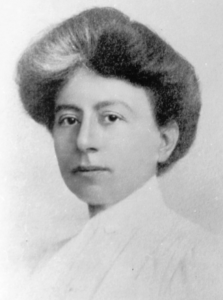
Margaret Washburn, Ph.D.
July 1871 – October 1939
Margaret Floy Washburn was the first woman to be awarded a Ph.D. in psychology. From beginning her college journey at the age of 16, auditing courses at Columbia and even being admitted and enrolling at Cornell University, Washburn dug the path for her Ph.D. Her work in psychology took place in a time when women were often denied positions in academia based on their gender. Despite this, she became a well-respected researcher, writer, and lecturer. Washburn’s research interests included areas of animal cognition and basic physiological processes. As Washburn delved into these interests, she strongly influenced comparative psychology and developed a motor theory of cognition suggesting that the animal’s body’s movements influenced thought. Without Washburn, we would have never been able to understand that mental states should be studied alongside their behavior.
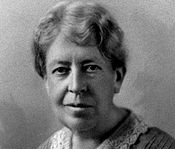
Mary W. Calkins
March 1863 – February 1930
After receiving a philosophy degree from Smith College in 1884, Mary W. Calkins wanted to pursue a psychology degree. During this time, women were not permitted to receive a degree in the field, but with much hesitation, the Harvard president allowed her to sit in psychology classes as an unofficial student.
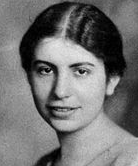
Dr. Anna Freud
December 1895-October 1982
Often referred to as the “founder of child psychoanalysis” , Anna Freud built on her father’s (Sigmund Freud) work by identifying different defense mechanisms such as denial, repression, and suppression. With her advocacy in introducing the concept of defense mechanisms, she contributed to an ever expanding interest in the field of child psychology. She was able to identify that children’s psychological symptoms differed from those of adults and were often related to developmental stages. With this understanding, she contributed to developing varying techniques to treat children that are still used today. Freud’s contributions in ego psychology can be further understood with clear explanations of the ego’s defense mechanisms in her book, The Ego and the Mechanisms of Defense (1936).

Mary Ainsworth
December 1913 – March 1999
From beginning her studies at the University of Toronto in the honors psychology program to her work being shown in many Psychology courses, Ainsworth was an important developmental psychologist. With her work surrounding attachment theory and how it contributes to behavior in later life, she pioneered techniques to address her findings. Her technique known as the “Strange Situation” assessment, allowed researchers to observe mother-child attachments and interactions and the child’s reactions to various situations. Ainsworth’s groundbreaking work had a major influence on our understanding of attachment styles prevalent in the Psychology curriculum and how these styles contribute to behavior later in life.
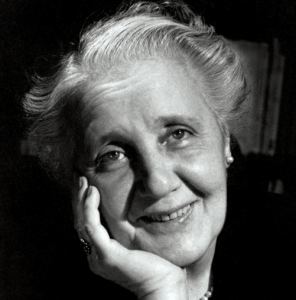
Melanie Klein